Just so, why does my body feel like it's being squeezed?
What it could be: “If you feel as if you're being squeezed very tightly, or the pain you're experiencing is travelling up towards your shoulder or jaw, it may be that a blocked blood vessel is impeding the flow of oxygen to your heart,” says Dr Aundhekar.
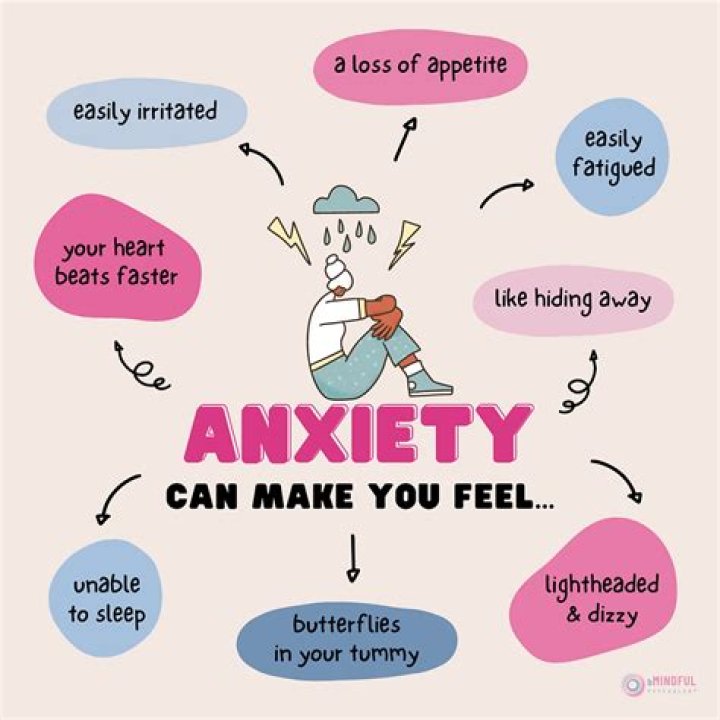
Also, what does an MS attack feel like? Multiple sclerosis (MS) attacks can include tingling, numbness, fatigue, cramps, tightness, dizziness, and more.
Similarly one may ask, what is an MS hug feel like?
The MS hug, also known as banding or girdling, is a symptom of multiple sclerosis in which someone feels as if they have chest pain, rib pain or a tight uncomfortable band around their chest. It can be felt anywhere between the neck and the waist and may feel so tight around the chest that it's painful to breathe.
Why do I feel electricity in my body?
Fluctuations in estrogen levels and the gradual decline may lead to the sensation of electric shock, most commonly in the form of numb or tingling fingers. Electric shock sensation or ESS can feel like a rubber band snapping against part of your body or a zing of electricity shooting through you.
Related Question Answers
Why does my body feel hot but no fever?
People may feel hot without a fever for many reasons. Some causes may be temporary and easy to identify, such as eating spicy foods, a humid environment, or stress and anxiety. However, some people may feel hot frequently for no apparent reason, which could be a symptom of an underlying condition.When should you suspect multiple sclerosis?
When to seek a doctorIf a doctor says you have multiple sclerosis, consider seeing a MS specialist, or neurologist, for a second opinion. People should consider the diagnosis of MS if they have one or more of these symptoms: vision loss in one or both eyes. acute paralysis in the legs or along one side of the body.
Which disease of the nervous system causes a feeling of electric shock in the body?
It's commonly associated with multiple sclerosis (MS), a disease that causes damage to the CNS. Pain doesn't always enter the discussion when talking about MS, but it's actually a common symptom. Dysesthesia often involves sensations such as burning, electric shock, or a general tightening around the body.What are body zaps?
You might also hear them referred to as “brain zaps,” “brain shocks,” “brain flips,” or “brain shivers.” They're often described as feeling like brief electric jolts to the head that sometimes radiate to other body parts. Others describe it as feeling like the brain is briefly shivering.What is Dysesthesia syndrome?
Dysesthesia is a sensation that people typically describe as painful, itchy, burning, or restrictive. It results from nerve damage and mostly occurs with neurological conditions. Dysesthesia comes from two ancient Greek words that mean “abnormal sensation.”What was your first signs of MS?
They talked about a wide range of symptoms including; changes in vision (from blurry eyes to complete loss of sight), extreme tiredness, pain, difficulties with walking or balance leading to clumsiness or falling, changes in sensation like numbness, tingling or even having your face 'feel like a sponge.Why does my brain feel like it's being squashed?
Tension headaches are dull pain, tightness, or pressure around your forehead or the back of your head and neck. Some people say it feels like a clamp squeezing their skull. They're also called stress headaches, and they're the most common type for adults.What does Dysesthesia feel like?
Dysesthesia means "abnormal sensation." It's usually a painful burning, prickling, or aching feeling. You typically get it in your legs or feet. But you also can have it in your arms. Sometimes the pain feels like you're being squeezed around your chest or abdomen.Why do I feel tightness around my ribs?
Muscle strain is a common cause of tightness in the chest. Straining of the intercostal muscles, in particular, can cause symptoms. In fact, 21 to 49 percent of all musculoskeletal chest pain comes from straining the intercostal muscles. These muscles are responsible for attaching your ribs to one another.Why do I feel like I have a tight band around my stomach?
It may feel as if the abdominal muscles are contracting and creating pressure in the stomach. The feeling can come from the abdominal muscles, the stomach wall lining, or the organs surrounding the stomach. The tight sensation is often a temporary discomfort caused by diet or hormones.What are the signs of MS in adults?
Some of the most common symptoms include:- fatigue.
- vision problems.
- numbness and tingling.
- muscle spasms, stiffness and weakness.
- mobility problems.
- pain.
- problems with thinking, learning and planning.
- depression and anxiety.
What does MS neck pain feel like?
Neck and back pain: Some people with MS can experience neck and back pain. This may be due to immobility, or to the same type of wear and tear that many people without MS experience. This type of pain is often an aching, stiff sensation that can be moderately severe.Does MS show up in blood work?
Blood tests will likely be part of the initial workup if your doctor suspects you might have MS. Blood tests can't currently result in a firm diagnosis of MS, but they can rule out other conditions.Why do the bottom of my ribs feel bruised?
Rib cage pain can be caused by a variety of things, ranging from pulled muscles to a rib fracture. The pain may occur immediately upon injury or develop slowly over time. It can also be a sign of an underlying medical condition. You should report any instance of unexplainable rib cage pain to your doctor immediately.Why does my right side under my breast hurt?
Costochondritis. This condition occurs due to inflammation of rib cage cartilage between the ribs and sternum. Because costochondritis tends to manifest in the mid-chest area, near the sternum, you may experience pain under the left or right breast. Costochondritis often goes away on its own.What does Ms leg pain feel like?
This pain is described as constant, boring, burning or tingling intensely. It often occurs in the legs. Paraesthesia types include pins and needles, tingling, shivering, burning pains, feelings of pressure, and areas of skin with heightened sensitivity to touch.How long do MS attacks last?
Nearly 9 in 10 people with MS have the common relapsing-remitting form of the disease. In a relapse, an attack (episode) of symptoms occurs. During a relapse, symptoms develop (described below) and may last for days but usually last for 2-6 weeks. They sometimes last for several months.What are the four stages of MS?
While there is no way to predict with any certainty how an individual's disease will progress, four basic MS disease courses (also called types or phenotypes) have been defined by the International Advisory Committee on Clinical Trials of MS in 2013: clinically isolated syndrome, relapsing remitting, secondaryWhat happens with untreated MS?
Relapsing-remitting MS can progress into a more aggressive form of the disease. The NMSS reports that, if left untreated, half of those with the relapsing-remitting form of the condition develop secondary-progressive MS within a decade of the first diagnosis.Can you have MS for years without knowing?
Not Uncommon“MS is diagnosed most commonly in the ages between 20 and 50. It can occur in children and teens, and those older than 50,” said Smith. “But it can go unrecognized for years.” Added Rahn, “The incidence of MS in the United States according to the Multiple Sclerosis Society is over 1 million people.
Do I have MS or fibromyalgia?
Symptoms That MS and Fibro Have in CommonIt can be acute or mild, and may be related to neurological issues or musculoskeletal problems. Occasionally, some MS patients do not develop pain. For fibro patients, pain is a defining aspect of the disease. Without its presence, you cannot get a fibromyalgia diagnosis.
What are the symptoms of MS in a woman?
Common early signs of multiple sclerosis (MS) include:- vision problems.
- tingling and numbness.
- pains and spasms.
- weakness or fatigue.
- balance problems or dizziness.
- bladder issues.
- sexual dysfunction.
- cognitive problems.
How do you find out if you have MS?
A complete neurological exam and medical history are needed to diagnose MS . There are no specific tests for MS . Instead, a diagnosis of multiple sclerosis often relies on ruling out other conditions that might produce similar signs and symptoms, known as a differential diagnosis.Can you have MS and not know?
Although diagnosis and outlook for benign MS are unclear, there are a few things to keep in mind: Mild symptoms at the time of diagnosis don't necessarily indicate a benign course of the disease. Benign MS can't be identified at the time of initial diagnosis; it can take as long as 15 years to diagnose.What can mimic MS?
It can take time and lots of testing to establish an accurate diagnosis.- Systemic Lupus Erythematosus (SLE) Like MS, SLE is a disease of the immune system.
- Sarcoidosis.
- Myasthenia Gravis.
- HTLV-1.
- Syphilis.
- Lyme Disease.
- Vitamin B12 Deficiency.
- Blood Vessel Problems.