Similarly, it is asked, what drug is given before anesthesia?
Anxiolytics (Sedatives) These medications are usually given pre-operatively to relax a patient before getting to the operating room. Anesthesiologists commonly give midazolam (Versed®) via IV injection for this purpose. In children, midazolam can be given orally as a liquid or nasal, as a spray, prior to a procedure.
Likewise, what is the purpose of premedication before surgery? Other purposes of anesthetic premedication, as found in the literatures, are to: (1) prevent postoperative pain, (2) provide effective prophylaxis against PONV, (3) decrease perioperative shivering, (4) decrease postoperative pruritus, (5) decrease gastric secretions, (6) prevent allergic reactions, (7) suppress reflex
Similarly one may ask, what do they give before surgery?
Most major surgical procedures require general anesthesia. With general anesthesia, a medication called an anesthetic is used to induce unconsciousness and ensure you don't feel any pain. 5? They are sometimes used with anesthesia to calm a patient down just prior to surgery or during their recovery.
What drugs should be avoided before surgery?
Medications to Avoid Before and After Surgery
- Aspirin, enteric-coated, baby, and plain aspirin or any other product containing aspirin.
- Coumadin – discuss this with the prescriber as to the best time to stop this medication before surgery.
- Celebrex- stop 1 week prior to surgery.
- Ibuprofen (Advil, Motrin) - stop 1 week prior to surgery.
Related Question Answers
How long does it take for anesthesia to knock you out?
After Surgery If you had general anesthesia or were sedated, don't expect to be fully awake right away — it may take a while and you may doze off for a bit. It usually takes about 45 minutes to an hour to recover completely from general anesthesia.What are the 4 stages of anesthesia?
There are four stages of general anesthesia, namely: analgesia - stage 1, delirium - stage 2, surgical anesthesia - stage 3 and respiratory arrest - stage 4. As the patient is increasingly affected by the anesthetic his anesthesia is said to become 'deeper'.How can I stop anxiety before surgery?
People might cope with pre-surgery anxiety in very different ways: Some try to prevent anxiety or stress by getting information early on and talking with other people about their concerns. Others distract themselves by reading, or use exercise or relaxation techniques like slow and deep breathing.What do they give you to calm you down before surgery?
Barbiturates and benzodiazepines, commonly known as “downers” or sedatives, are two related classes of prescription medications that are used to depress the central nervous system. 5? They are sometimes used with anesthesia to calm a patient down just prior to surgery or during their recovery.How can I calm my nerves before surgery?
How to feel calm before surgery- Breathe and relax. Deep breathing, progressive muscle relaxation, or guided relaxation or meditation programs can help to slow down your breath, your racing heart and calm your mind and body.
- Visualize a calmer you.
- Be informed.
- Address your worries.
- Listen to music.
- Get support.
- Make a plan.
- Consider medication.
Can they give you something for anxiety before surgery?
People who are already in hospital the night before an operation are usually given medicine to help them sleep or a sedative to reduce anxiety. Benzodiazepines are often used for this purpose. These drugs reduce anxiety, help you to relax, and make you sleepy at the same time.What does IV sedation feel like?
Intravenous Sedation is administered directly into the blood stream by an anesthesiologist. Depending on the dosage and type, you'll experience a calming effect, drowsiness, minor amnesia, and tingling sensations. Within 2 or 3 minutes you experience a full-body euphoria and pain breezes away while peace settles in.What are the 3 types of anesthesia?
There are three main types:- Local - numbs one small area of the body. You stay awake and alert.
- Regional - blocks pain in an area of the body, such an arm or leg. A common type is epidural anesthesia, which is often used during childbirth.
- General - makes you unconscious.
Do they give you a sedative before surgery?
People who are already in hospital the night before an operation are usually given medicine to help them sleep or a sedative to reduce anxiety. Benzodiazepines are often used for this purpose. Sedatives are also given before the operation, usually in the last two hours before the anesthetic is given.How do they wake you up from anesthesia?
After the procedure When the surgery is complete, the anesthesiologist reverses the medications to wake you up. You'll slowly wake either in the operating room or the recovery room. You'll probably feel groggy and a little confused when you first wake.Where is general anesthesia injected?
The goal is to make and keep a person completely unconscious (or "asleep") during the operation, with no awareness or memory of the surgery. General anesthesia can be given through an IV (which requires sticking a needle into a vein, usually in the arm) or by inhaling gases or vapors by breathing into a mask or tube.Can you do drugs before surgery?
Do not use any illegal, recreational drugs (including cocaine, marijuana) 24 hours before surgery. Do not shave any part of your body within 24 hours of surgery.What drugs affect anesthesia?
Street or 'recreational' drugs, such as heroin, LSD and cocaine, can strongly influence the anaesthetic. Cocaine and ecstasy are two drugs that excite the nervous system. They may excite your heart, producing dangerous swings in blood pressure and heart rate, both during and after the operation.What drugs are used for sedation?
Examples of drugs which can be used for sedation include isoflurane, diethyl ether, propofol, etomidate, ketamine, pentobarbital, lorazepam and midazolam.Can you take anti anxiety meds before surgery?
People sometimes take Valium or Ativan to relieve anxiety before surgery, but a new study suggests that these benzodiazepine drugs have little beneficial effect and may even delay recovery. Researchers studied 1,062 patients admitted to French hospitals for surgery requiring general anesthesia.What is preoperative sedation?
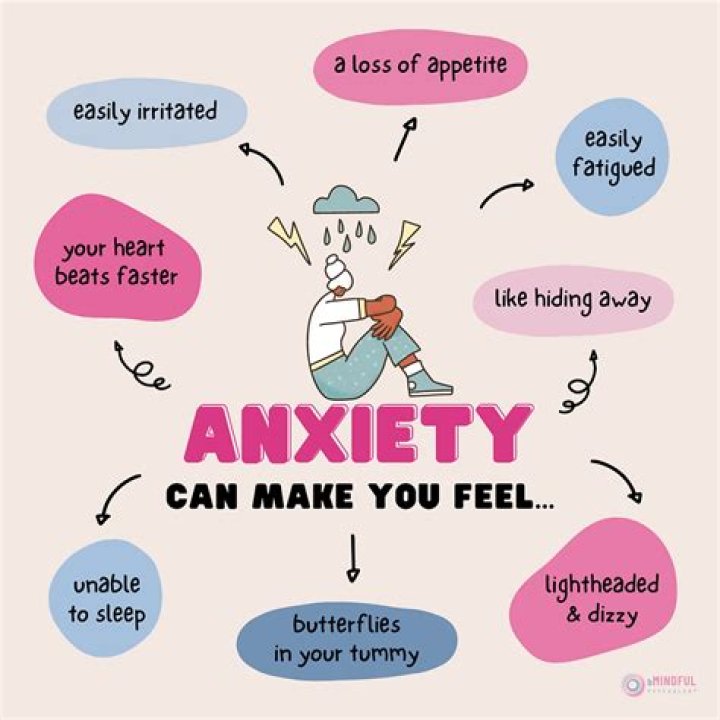
The preoperative period means for the majority of patients a distressing situation, which is characterized by anxiety and fear. Therefore, the primary goal for the patients preoperatively is to reduce anxiety and to induce sedation.Can you take paracetamol before general Anaesthetic?
„∎You need to stop some medicines before a procedure with an anaesthetic. Your doctor will have told you if you need to stop your medicines when you came to the pre-anaesthetic assessment, but if you are unsure, please ask us. Paracetamol or ibuprofen are suitable for most people but discuss this with your doctor.What should you not do before surgery?
What Not to Do:- Do not smoke, eat, or drink anything, including water, candy, gum, mints and lozenges after midnight on the night before surgery.
- Do not shave your surgical area before your procedure.
- Avoid bringing any sort of baggage or valuables with you to surgery.
- Do not bring any dependents with you.