People also ask, how does grief affect the heart?
The heartbreak of grief can increase blood pressure and the risk of blood clots. Intense grief can alter the heart muscle so much that it causes "broken heart syndrome," a form of heart disease with the same symptoms as a heart attack. Stress links the emotional and physical aspects of grief.
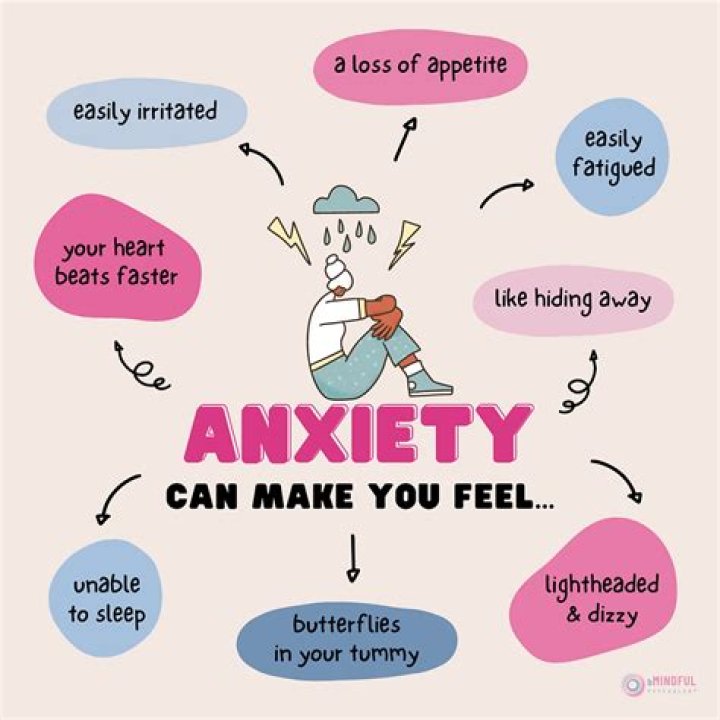
Also Know, what does grief do to your brain? When you're grieving, a flood of neurochemicals and hormones dance around in your head. “There can be a disruption in hormones that results in specific symptoms, such as disturbed sleep, loss of appetite, fatigue and anxiety,” says Dr. Phillips. When those symptoms converge, your brain function takes a hit.
Herein, does grief increase heart rate?
Initially, those who were suffering a loss had higher average heart rates, more episodes of rapid heartbeat and reductions in the normal variation in heart rate — as well as sharply increased anxiety and depression — compared with people in the control group.
Who is the founder of prolonged grief disorder?
In 1993, Horowitz and colleagues developed the first diagnostic criteria for a bereavement-related disorder, termed 'pathological' then 'complicated' grief (CG) (Horowitz, Bonanno, & Holen, 1993; Horowitz et al., 1997).
Related Question Answers
What are the 7 stages of grief?
The 7 stages of grief- Shock and denial. This is a state of disbelief and numbed feelings.
- Pain and guilt.
- Anger and bargaining.
- Depression.
- The upward turn.
- Reconstruction and working through.
- Acceptance and hope.
What are the side effects of losing a loved one?
Intense feelings of sadness are normal when we're grieving. But some people become depressed.Depression and grief
- extreme hopelessness.
- insomnia.
- loss of appetite.
- suicidal thoughts.
- persistent feelings of worthlessness.
- marked mental and physical sluggishness.
Why do you feel pain in your heart when sad?
Studies show that your brain registers the emotional pain of heartbreak in the same way as physical pain, which is why you might feel like your heartbreak is causing actual physical hurt.Is grief a form of stress?
Chronic stress also is common during acute grief and can lead to a variety of physical and emotional issues, such as depression, trouble sleeping, feelings of anger and bitterness, anxiety, loss of appetite, and general aches and pains.What are the symptoms of broken heart syndrome?
What are the symptoms of broken heart syndrome?- Angina (sudden, severe chest pain)
- Shortness of breath.
- Arrhythmia (irregular beating of the heart)
- Cardiogenic shock (An inability of the heart to pump enough blood to meet the body's demands.
- Fainting.
- Low blood pressure.
- Heart failure.
How long does grief brain last?
You cannot think yourself out of it,” says Brown. Brown says depending on the person, he has seen people start to work their way out of the fog in two to three months and be functioning pretty well after six months, but it can last longer.What does mourning look like?
But that limits what grief is, how it is expressed, and how we can recognize it. Sometimes it can appear as anger, irritability, physical pain, bodily stress, restlessness, sleeplessness, depression, loneliness, fear, or hostility.How do you survive grief?
Survival Tips for Grief- Be patient with yourself. Grief is a process that takes time.
- Keep busy. You cannot dwell on your sorrow or your loss every waking moment.
- Keep a journal. This is a powerful method for expressing pain, as well as a means for having private, intimate time with yourself.
- Exercise daily.
- Be willing to change things.
Can grief make you dizzy?
Increased heart rate or blood pressure. Stomach and/or intestinal problems. Nausea and/or dizziness.Why does your heart hurt when someone dies?
The pain is caused by the overwhelming amount of stress hormones being released during the grieving process. These effectively stun the muscles they contact. Stress hormones act on the body in a similar way to broken heart syndrome. Aches and pains from grief should be temporary.Can grief cause a stroke?
You really CAN die of a broken heart: Losing a loved one doubles the risk of heart failure or stroke. Losing a loved one really can break your heart. Research shows that the risk of coronary failure or stroke doubles in the first month of bereavement.Can grief cause weight loss?
Studies show that appetites are often diminished, which can lead to serious weight loss. A common effect of grief on one's physical health is a loss of appetite and, in turn, significant (or at least mild) weight loss.How is broken heart syndrome treated?
Once it's clear that broken heart syndrome is the cause of your symptoms, your doctor will likely prescribe heart medications for you to take while you're in the hospital, such as angiotensin-converting enzyme (ACE) inhibitors, angiotensin II receptor blockers, beta blockers or diuretics.Can grief cause ED?
Grieving can cause temporary impotence, but it usually isn't permanent and subsides during the grieving experience.What is a broken heart syndrome?
Broken heart syndrome, also known as stress cardiomyopathy or takotsubo syndrome, occurs when a person experiences sudden acute stress that can rapidly weaken the heart muscle.What do you think is meant by the reference to grief?
Grief is the response to loss, particularly to the loss of someone or something that has died, to which a bond or affection was formed. While the terms are often used interchangeably, bereavement refers to the state of loss, and grief is the reaction to that loss.Can grief cause high glucose?
Monitor OftenBut while grieving, it's smart to check even more frequently, says Doucette. Unpredictable schedules, sleeplessness, a calorie-dense funeral or shiva basket—all can lead to blood glucose variations. Physical and emotional stress can both raise blood glucose levels.
How Losing a parent can impact your brain?
Children who experience parental loss are at a higher risk for many negative outcomes, including mental issues (e.g., depression, anxiety, somatic complaints, post-traumatic stress symptoms), shorter schooling, less academic success, lower self-esteem?5?, and more sexual risk behaviors?6?.Can grieving cause memory loss?
Grief, especially early grief, is not a normal time. It makes perfect sense that you're disoriented: everything has changed. Memory loss, confusion, an inability to concentrate or focus - these things are all normal inside grief.Is complicated grief a disability?
As a deeply painful and disabling condition, complicated grief disorder is a life-altering problem that requires active intervention.How grief affects decision making?
Grief causes confusion and it can influence your financial decision making ability. This is because your brain is actually functioning differently. It is common to experience confusion and memory loss during this time. Scientifically, it's called cognitive disconnect.What do you do when you miss a dead loved one?
16 Tips for Continuing Bonds with People We've Lost- Talk to them.
- Write letters to the person you lost.
- Keep photos of the person around.
- Incorporate your loved one into events and special days.
- Imagine what advice they would give you when making tough decisions.
- Talk about them with new people, who never got to know your loved one.
How grief affects your work?
Grief takes a toll on the body as well, leading to physical ailments that may result in absenteeism. While supervisors may care for their employees, their role is to get the job done, a task that may be at odds with providing compassionate support or making allowances for a mourner's less-than-optimal job performance.Why does losing a pet hurt so much?
Psychologist Julie Axelrod has pointed out that the loss of a dog is so painful because owners aren't just losing the pet. This is most likely to happen shortly after the death of the pet, especially among owners who had very high levels of attachment to their pets.How do you focus when grieving?
Here's how to focus at work — if your job is something you still need or otherwise want to do — while prioritizing your health and healing.- Be gentle with yourself.
- Focus on small tasks first.
- Avoid social media.
- Take breaks when needed.
- Practice self-care.
- If you have PTO or bereavement leave, use it.
- Talk it out.