Hereof, how does cortisol affect the stomach?
Higher cortisol levels linked to abdominal obesity
Short-term stress can cause belly issues such as vomiting and diarrhea. Irritable bowel syndrome (IBS) can be the result of long-term stress. If you already have IBS, stress can worsen gas and belly bloat.
Similarly, can high cortisol cause digestive problems? Digestive problems. When your body reacts to a threat, it shuts down other less critical functions, such as digestion. If the high-stress level is constant, your digestive tract can't digest or absorb food well.
Also asked, does stress increase stomach acid?
Stress responses and anxiety may cause long lasting muscle tension. If this affects the muscles around the stomach, it could increase pressure in this organ and push the acid up. High anxiety levels may increase stomach acid production.
What causes overproduction of acid in the stomach?
There are several causes of high stomach acid. Examples include H. pylori infection, Zollinger-Ellison syndrome, and rebound effects from medication withdrawal. If left untreated, high stomach acid can lead to complications like ulcers or GERD.
Related Question Answers
What does low cortisol feel like?
Too little cortisol may be due to a problem in the pituitary gland or the adrenal gland (Addison's disease). The onset of symptoms is often very gradual. Symptoms may include fatigue, dizziness (especially upon standing), weight loss, muscle weakness, mood changes and the darkening of regions of the skin.What does too much cortisol feel like?
General signs and symptoms of too much cortisol include: weight gain, mostly around the midsection and upper back. weight gain and rounding of the face. acne.Does walking increase cortisol?
This increase in cortisol is a consequence of the type of walking exercise, which is considered as medium to high intensity, and the prolonged duration. The hypothalamic–pituitary–adrenal (HPA) axis is activated during stress.Does cortisol cause anxiety?
Lots of cortisol for long periods of time makes your body more insulin-resistant, which can lead to diabetes. In addition, it can trigger mental health issues like mood swings, anxiety, and depression. The key is to shift the body from the stress response to the relaxation response.How anxiety affects the stomach?
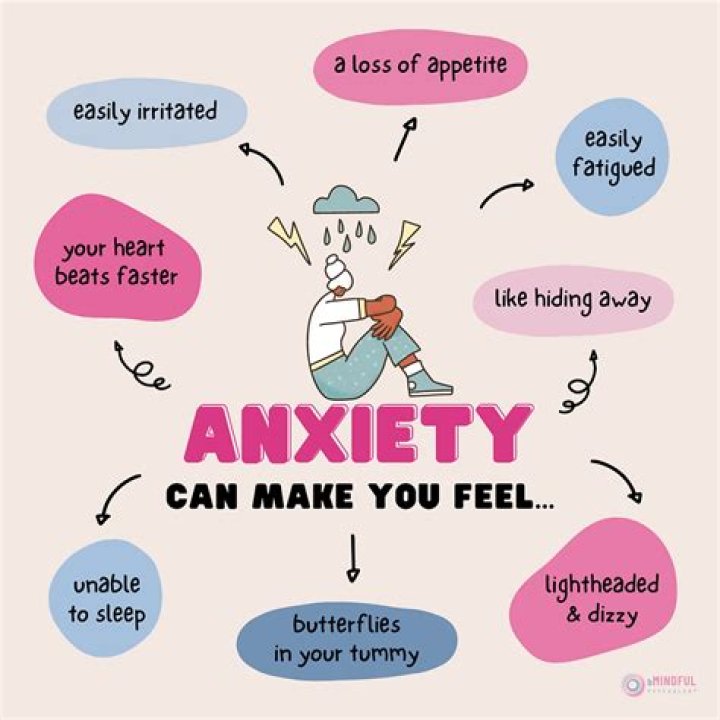
People feel the effects of stress and anxiety in many ways. One common symptom is stomachaches. Anxiety can worsen symptoms of abdominal cramps and pain and make you literally feel sick to your stomach.How can I fix my hormonal stomach?
Melt away hormonal belly fat caused by low estrogen and insulin resistance by adopting a low carbohydrate eating plan, recommends Johnston. “Between protein, fat and carbohydrates, carbs have the biggest impact on raising blood sugar and insulin levels,” she says.Does stress cause gastrointestinal problems?
Stress can also make pain, bloating or discomfort felt more easily in the bowels. It can affect how quickly food moves through the body which can cause either diarrhea or constipation. Furthermore, stress can induce muscle spasms in the bowel which can be painful.What reduces cortisol quickly?
Here are 11 lifestyle, diet and relaxation tips to lower cortisol levels.- Get the Right Amount of Sleep.
- Exercise, but Not Too Much.
- Learn to Recognize Stressful Thinking.
- Learn to Relax.
- Have Fun.
- Maintain Healthy Relationships.
- Take Care of a Pet.
- Be Your Best Self.
How can I reduce stomach acid from stress?
At-home remedies include:- eat a healthy diet.
- avoid foods that trigger acid reflux or heartburn.
- get regular exercise, such as going for walks.
- try relaxation techniques, such as yoga, tai chi, or meditation.
- avoid caffeine and alcohol.
How long does it take for stomach acid to return to normal?
For most people acid levels return to normal within one to two weeks.Can acid reflux be cured permanently?
Yes, most cases of acid reflux, sometimes referred to as gastroesophageal reflux disease, or GERD, can be cured. When faced with this diagnosis, I like to treat both symptoms and root causes.How do I reduce stomach acid?
9 ways to relieve acid reflux without medication- Eat sparingly and slowly. When the stomach is very full, there can be more reflux into the esophagus.
- Avoid certain foods.
- Don't drink carbonated beverages.
- Stay up after eating.
- Don't move too fast.
- Sleep on an incline.
- Lose weight if it's advised.
- If you smoke, quit.
Does stress lower stomach acid?
Chronic stress may decrease production of stomach acid. Vitamin deficiency. Deficiency of zinc or B vitamins may also lead to low stomach acid. These deficiencies may be caused by inadequate dietary intake or by nutrient loss from stress, smoking, or alcohol consumption.Can stress cause inflammation of the stomach?
In more serious cases, stress may cause a decrease in blood flow and oxygen to the stomach, which could lead to cramping, inflammation, or an imbalance of gut bacteria. It can also exacerbate gastrointestinal disorders, including: Irritable bowel syndrome (IBS) Inflammatory bowel disease (IBD)Can you produce too much stomach acid?
Zollinger-Ellison syndrome is a rare digestive disorder that results in too much gastric acid. This extra gastric acid can cause peptic ulcers in your stomach and intestine. Symptoms include abdominal pain, nausea, vomiting, weight loss, and diarrhea. If left untreated, there can be serious complications.What are the symptoms of silent reflux?
Symptoms of Silent Reflux- Asthma.
- Bitter taste in the throat.
- Chronic cough or excessive throat clearing.
- Difficulty swallowing.
- Hoarseness.
- Postnasal drip.
- Sensation of a lump in the throat.
- Sore or burning sensation in the throat.
How does cortisol affect bowel movements?
During periods of heightened anxiety, hormones such as cortisol, adrenaline, and serotonin may be released by the brain. This raises the amount of serotonin in your gut, and causes stomach spasms to occur. If these spasms happen throughout your entire colon you may get diarrhea.How do you balance cortisol?
Natural Ways To Balance Cortisol Levels- Go to bed each night at the same time, wake up at the same time, and get out in the sunshine.
- Limit alcohol.
- Avoid caffeine, sugar, and processed food.
- Exercise.
- Get a monthly massage to reduce stress and relax muscles.
How does cortisol reduce inflammation?
Throughout the day, cortisol maintains blood glucose and suppresses nonvital organ systems to provide energy to an actively functioning brain and neuromuscular system. Cortisol is also a potent anti-inflammatory hormone; it prevents the widespread tissue and nerve damage associated with inflammation.What foods neutralize stomach acid?
Foods That Help Prevent Acid Reflux- High-fiber foods. Fibrous foods make you feel full so you're less likely to overeat, which may contribute to heartburn.
- Alkaline foods. Foods fall somewhere along the pH scale (an indicator of acid levels).
- Watery foods.
- Milk.
- Ginger.
- Apple cider vinegar.
- Lemon water.
How do you detox your body from acid?
In this article, learn about eight natural ways to lower uric acid levels.- Limit purine-rich foods.
- Eat more low-purine foods.
- Avoid drugs that raise uric acid levels.
- Maintain a healthy body weight.
- Avoid alcohol and sugary drinks.
- Drink coffee.
- Try a vitamin C supplement.
- Eat cherries.
How do you know if you have low or high stomach acid?
If you have low stomach acid you could be suffering from any of these symptoms: Bloating, belching, burning sensation, wind after meals. Feeling particularly full after eating. Indigestion/heartburn/acid reflux.Does fasting increase stomach acid?
Fasting can also cause heartburn; lack of food leads to a reduction in stomach acid, which digests food and destroys bacteria. But smelling food or even thinking about it during fasting periods can trigger the brain into telling the stomach to produce more acid, leading to heartburn.Does zinc increase stomach acid?
Increase zinc intakePeople who do not get enough zinc in their diets and those with poor zinc absorption may have low stomach acid levels. Addressing a zinc deficiency could help increase stomach acidity. People can increase their zinc intake by making dietary changes or taking zinc supplements.